







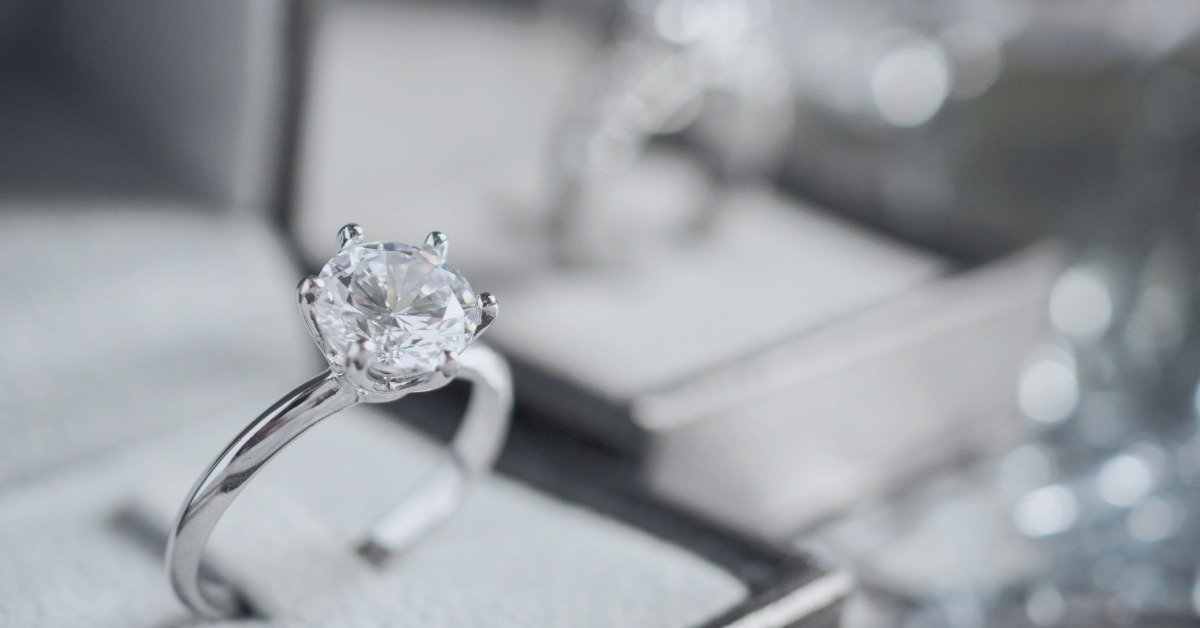
Whether it’s a cherished family heirloom, a beautiful engagement ring, or a luxury watch, jewelry often carries both financial and sentimental value.Insuring your jewelry adds peace of mind by protecting it from loss, damage, theft, or accidental appearance.The process can feel confusing at first, especially if you’re unsure which coverage type fits your needs.Below is a clear guide on how to insure jewelry, what your options look like, and how to determine the best path based on the value of your collection.1.
Determine Whether Your Jewelry Needs Additional CoverageMost homeowners, renters, or condo insurance policies include personal property coverage that extends to jewelry.However, the included limits are low for theft, typically ranging from $1,500 to $2,500.Standard home policies also come with deductibles and may not cover accidental loss or disappearance.High-value items such as engagement rings, luxury watches, and antique pieces can easily exceed these limits.
In such cases, relying on your basic policy alone leaves significant gaps.If you only own a few low-value items, your standard personal property coverage may be sufficient.But if you own high-value pieces or simply want more complete protection, you’ll likely benefit from additional coverage.Once you determine your needs, move on to the next step in learning how to insure jewelry properly.2.
Get a Professional Jewelry AppraisalBefore you can insure jewelry accurately, you need a reliable estimate of its value.Most insurers require an updated appraisal for scheduling items or purchasing a standalone jewelry policy.Look for a trusted, well-reviewed jeweler or certified appraiser.Turnaround time varies — simple appraisals may take a few hours, while more complex pieces could take several days or even weeks, depending on the jeweler’s workload.Keep organized records of each appraisal, including dates and documentation.
Experts commonly recommend reappraising valuable jewelry every 2-4 years to ensure your coverage remains accurate, especially for items with fluctuating market values like diamonds and gold.3.Compare Coverage Options: Scheduled Jewelry vs.a Standalone Jewelry PolicyOnce you understand the value of your items, the next step is comparing insurance options.
The two primary methods for insuring jewelry are scheduling it as an endorsement on your homeowners or renters policy, or purchasing a dedicated jewelry insurance policy.Scheduling Jewelry on Your Homeowners/Renters PolicyScheduled personal property endorsements allow you to insure specific items for their appraised values.This option is ideal for individual high-value pieces, such as engagement rings or luxury watches.Scheduling often adds broader protection than a standard homeowners policy and typically covers accidental loss — for example, if a ring slips off during a swim or falls down a drain.Blanket Jewelry CoverageBlanket endorsements provide one coverage limit for a category of items without requiring appraisals for each piece.
This option works well for those who own several moderately valuable pieces and want broader protection without itemizing everything individually.Buying a Standalone Jewelry Insurance PolicyStandalone jewelry insurance policies are available from specialty insurers such as Jewelers Mutual or Lavalier.These dedicated policies provide comprehensive protection against loss, theft, damage, mysterious disappearance, and more.A standalone policy is often the best choice if you:Premiums for these policies typically depend on the item’s value, your location, and security features (such as using a safe or having a home alarm system).4.Understand What Jewelry Insurance CoversA critical part of learning how to insure jewelry is understanding what each type of policy covers.
Below is a general breakdown of coverage, limits, deductibles, and premiums.5.Choose a Policy and Maintain Proper DocumentationAfter comparing your options, select the policy type that fits your budget, lifestyle, and the value of your jewelry.Keep organized documentation — appraisals, receipts, serial numbers, certificates, and photos — as these will be essential if you ever file a claim.In addition to proper insurance, take practical steps to protect your jewelry.
Store high-value pieces in a secure home safe, and be mindful when wearing valuable items in public or while traveling.Working with an independent insurance agent can make the process of insuring jewelry much easier.Independent agents have access to multiple insurers and can help you compare coverage options to find the right fit.Jewelry insurance is an important way to protect some of your most meaningful possessions.Whether you insure your items through a scheduled endorsement or a standalone policy, the right coverage ensures your valuables are protected financially and sentimentally.
Contact Atlas Insurance Brokers today or request a quote online to explore your jewelry coverage options.
Disclaimer: This story is auto-aggregated by a computer program and has not been created or edited by Health Insurance USA.
Publisher: Atlas Insurance
Publisher: Atlas Insurance