






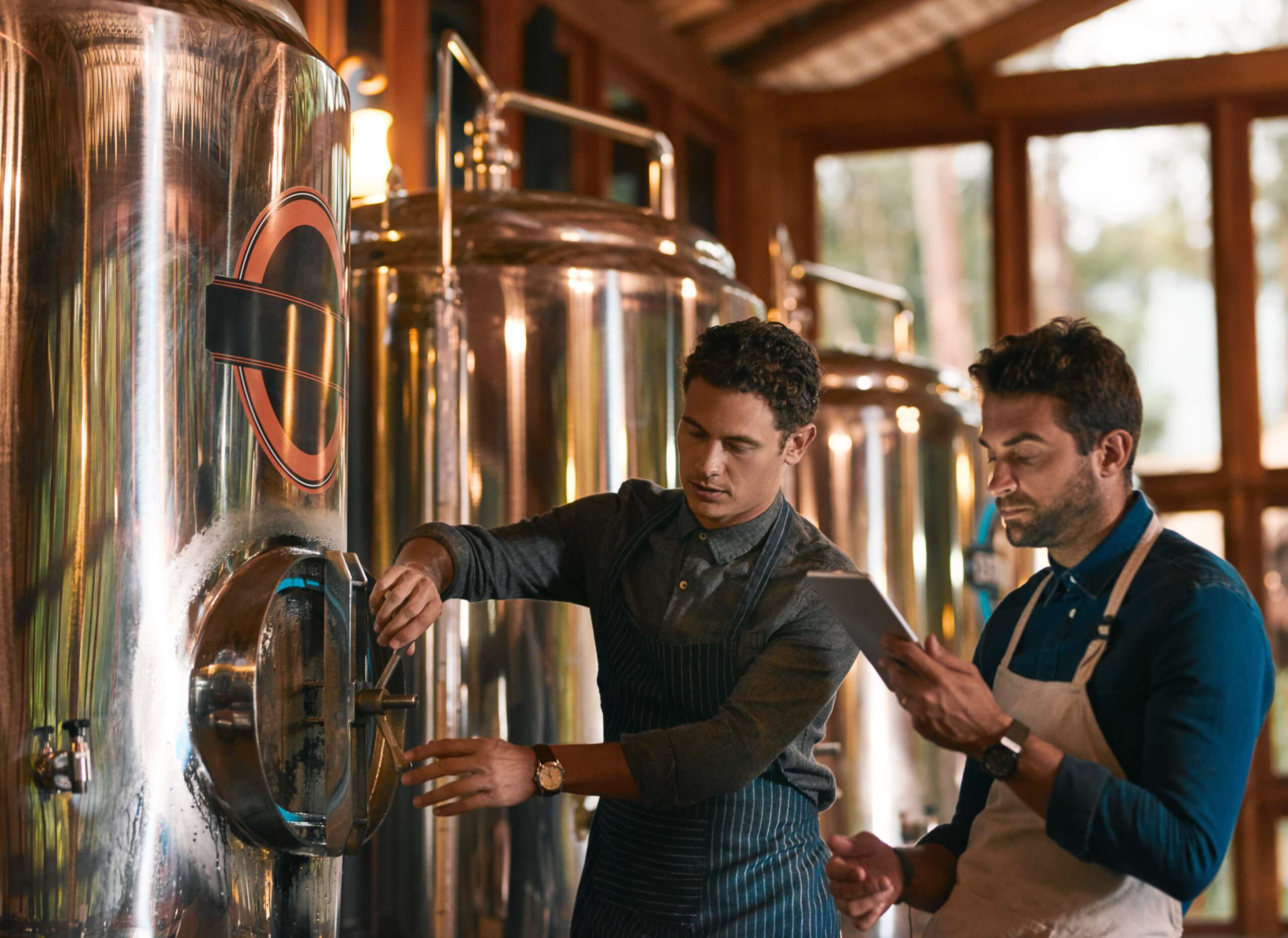
FacebookTweetLinkedInEmailPrintCraft beverage producers are passionate about their product, but running a distillery, brewery, or winery means managing complex operations that go well beyond fermentation and flavor.As these businesses grow, they take on operational vulnerabilities that can threaten production, finances, and reputation if left unaddressed.Understanding common industry risks is a critical first step in building a solid insurance and risk management plan.This article explores the key exposures that distillery and brewery owners should be aware of, and how working with an experienced insurance advisor can help protect your business from unexpected disruption.Unique Operational Risks in Beverage ProductionDistilleries and breweries operate in environments where specialized equipment, fermentation processes and large inventories introduce hazards that typical small business risks may not cover.
From heavy machinery to volatile vapors and ergonomic challenges, these operational exposures deserve close attention.For example, vapors from alcohol processing can create fire hazards if not managed carefully, and repetitive physical tasks can lead to workplace injuries.As these facilities expand production and add features such as tasting rooms and event spaces, their risk profile grows more complex.Proactive risk assessment and mitigation strategies help prevent accidents and keep operations running safely. Equipment Breakdown and Property ExposureBrewing and distilling involve a network of essential machines, fermenters, boilers, refrigeration units and bottling lines, that keep production flowing.
When equipment fails or experiences breakdowns, operations can come to a halt, leading to lost revenue and increased costs.For craft producers, investment in high‑end processing systems means that even a single mechanical failure can have significant financial consequences. Property exposures also include damage due to fire, theft, or natural events.Given the value of inventory, barrels and machinery, planning for such risks is part of responsible business management.Product Quality and Contamination ChallengesMaintaining consistent quality and safety throughout production is a major concern for craft brewers and distillers.
Small lapses in sanitation, fermentation control or packaging can lead to contamination, spoilage or other quality issues that damage reputation and drain finances.In the alcoholic drinks industry, some contamination incidents can lead to costly product recalls or lost customer trust. A thoughtful approach to risk management includes identifying how quality failures can occur and what the financial impact might be if production issues lead to lost product or legal claims.Liability Considerations for Visitors and CustomersMany craft breweries and distilleries host tours, tastings, or special events.While these activities improve customer engagement and brand loyalty, they also introduce liability exposures.
Visitors walking through production areas, tasting samples or attending events may face hazards such as slips, trips or other injuries.In addition, serving alcohol on premises carries its own set of considerations.Proper staff training and safety protocols help reduce incident risk and improve customer experience while maintaining legal compliance.Regulatory and Compliance PressuresThe beverage production industry is governed by a mix of local, state and federal regulations that affect production, sanitation, labeling, marketing and sales.Not only must producers meet quality and safety standards, they must also navigate licensing, taxation and compliance requirements that affect how they operate.
Gaps in regulatory compliance can lead to fines, interruptions in operations and reputational harm.Working with professionals who understand the regulatory environment, including technical risk and safety standards, helps businesses stay compliant and avoid penalties. Why Understanding Risk Matters Before Choosing CoverageRecognizing the full scope of risks in a distillery or brewery business is essential when considering coverage options.Many standard business policies may not address all these exposures because they are designed for typical retail or service businesses, not production environments with unique hazards.Knowing exactly where your risks lie helps you work with an advisor who can guide you toward coverage that protects your production equipment, quality controls, liability scenarios and continuity plans.How an Experienced Advisor Can HelpA proactive approach to risk means more than buying the first policy you see.Distillery and brewery owners benefit when they:An insurance partner with experience in beverage production can help you explore coverage tailored to your operation, including policies that support business continuity planning and risk mitigation.Take Control of Your Brewery or Distillery’s RiskThe craft beverage industry is dynamic and rewarding, but the complexity of production, safety and legal requirements can put your business at risk if left unexamined.
Understanding operational, product and liability risk is the first step toward a solid coverage plan that supports growth and protects your hard work.If you’re unsure whether your current plan matches your risk profile, consider reaching out to an advisor at InsuranceHub.We can review your business exposures, recommend coverage options and help ensure your craft beverage operation is protected against the unexpected.FAQ: Distillery and Brewery Insurance RisksWhat are the biggest risks distilleries and breweries face?Distilleries and breweries have a mix of production, property and liability exposures.Common risks include equipment breakdown, contamination or product quality loss, customer injuries during tastings or events, and compliance issues related to alcoholic beverage laws.Is regular business insurance enough for a distillery or brewery?Not always.
Standard business policies may cover basic liability and property loss, but they might not include specialized risks such as equipment breakdown, product contamination, spoilage losses, or liability related to serving alcohol.A tailored risk plan considers the unique nature of beverage production and guest interactions.Why do distillery and brewery equipment failures matter for coverage?Production equipment like fermenters, stills and bottling lines are expensive and essential to operations.If they fail, operations can stop and result in lost revenue.
Planning coverage that reflects true replacement cost and downtime exposure helps protect business continuity.How does customer interaction increase liability exposure?Many craft beverage businesses host tours, tastings and events.These situations increase the chance of customer injuries on site, and also involve serving alcoholic products, which carries its own set of responsibility and potential incidents.Understanding this exposure helps business owners plan for appropriate liability protection.Can product contamination lead to financial loss?Yes.
Contamination or quality failures can result in product disposal, recalls and loss of customer trust.Identifying these exposures and discussing them with a risk advisor helps in choosing coverage that supports your business when quality issues occur.What should distillery and brewery owners discuss with an insurance advisor?Owners should talk about property values and replacement cost estimates, how their production process works, the nature of customer interactions and tasting rooms, inventory and supply chain exposures, and any events or distribution activities.These details help the advisor recommend the best coverage options.Does having trained staff reduce insurance risk?While training does not eliminate risk, documented safety and production training can strengthen your risk profile.
Insurers and advisors often view proactive safety and risk management practices as positive signs that may improve premium considerations.When should I review my coverage?Distillery and brewery owners should review coverage annually or whenever significant changes occur in their business, for example, adding a tasting room, hosting large events, expanding production, or adding new equipment.Regular review ensures coverage stays aligned with evolving operations.FacebookTweetLinkedInEmailPrint
Disclaimer: This story is auto-aggregated by a computer program and has not been created or edited by Health Insurance USA.
Publisher: InsuranceHub
Publisher: InsuranceHub