






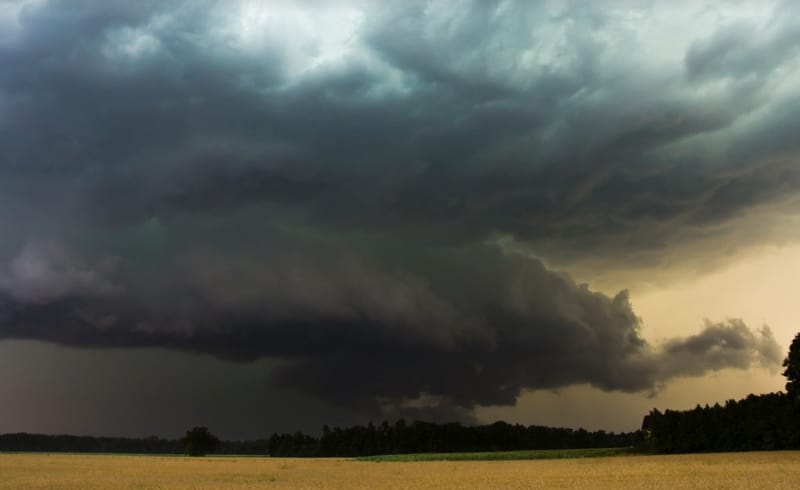
As per a new report from reinsurance broker Gallagher Re, the severe convective storm (SCS) outbreak that swept across the central and eastern United States between March 15 to 16 is expected to generate around $1 billion in industry losses, marking the second billion-dollar plus industry US SCS event to occur within the span of a single week.According to the broker’s report, the latest SCS outbreak was accompanied by historic late-season snowfall across the Northern Plains and Midwest.As highlighted, Gallagher Re expects insured losses from the event to settle at a minimum of around $1 billion, with the potential to grow even higher, while the overall direct economic cost will be at least 25% greater once uninsured or underinsured assets and other losses are included too.“After a highly manageable and quiet start to the year for US SCS activity and subsequent losses, as the calendar turned to March, it initiated considerable storm genesis.
There have now been notable outbreaks on March 4, March 5–7, and March 10–12,” Gallagher Re explained.The March 10-12 SCS outbreak hit more than a dozen states across central and eastern parts of the US, bringing damaging tornadoes, as well as large, damaging storms.Gallagher Re’s report noted that the March 15-16 event, which was marked by elongated lines of severe thunderstorms, left damage across nearly two-dozen states.
“The highly active pattern for SCS across the US in March endured March 15-16 with a multi-day outbreak driven by fast-moving and elongated lines of storms that generated widespread damaging winds in tandem with large hail and tornadoes.This resulted in significant impacts to property, vegetation, transportation, and electrical infrastructure,” Gallagher Re explained.Adding: “The outbreak followed less than a week after the costly March 10-12 event, and a separate non-thunderstorm related wind event that resulted in additional claims across the Midwest and Northern Plains on March 12-13.” The firm also indicated that the March 15-16 SCS outbreak was especially significant due to its extensive non-tornadic, straight-line wind damage inflicted on property, vegetation, and infrastructure across over two dozen states in the United States, with the most powerful gusts reportedly reaching and surpassing 70 mph (112 kph).
Furthermore, Gallagher Re went on to explain that 2026 is not unique in terms of experiencing a highly active March, as since 2023, the month has consistently featured widespread damaging activity.The broker highlighted how last year’s Mid-March Tornado Outbreak went on to become the costliest event of the season with insured losses reaching $8.5 billion in today’s dollars.March 2025 also set a record for the most tornadoes in March, with at least 239.
“March is known as the historical start to “peak” SCS season in the United States.The peak months for overall SCS activity and observed losses are March, April, May, and June.Since 2010, those four months have accounted for at least 72% (USD390 billion) of US SCS insured losses.
On an annual basis, the US has now seen three consecutive years of minimal USD50 billion in SCS-related insured losses,” Gallagher Re added..All of our Artemis Live insurance-linked securities (ILS), catastrophe bonds and reinsurance can be accessed online.Our can be subscribed to using the typical podcast services providers, including Apple, Google, Spotify and more.
Disclaimer: This story is auto-aggregated by a computer program and has not been created or edited by Health Insurance USA.
Publisher: Artemis
Publisher: Artemis