




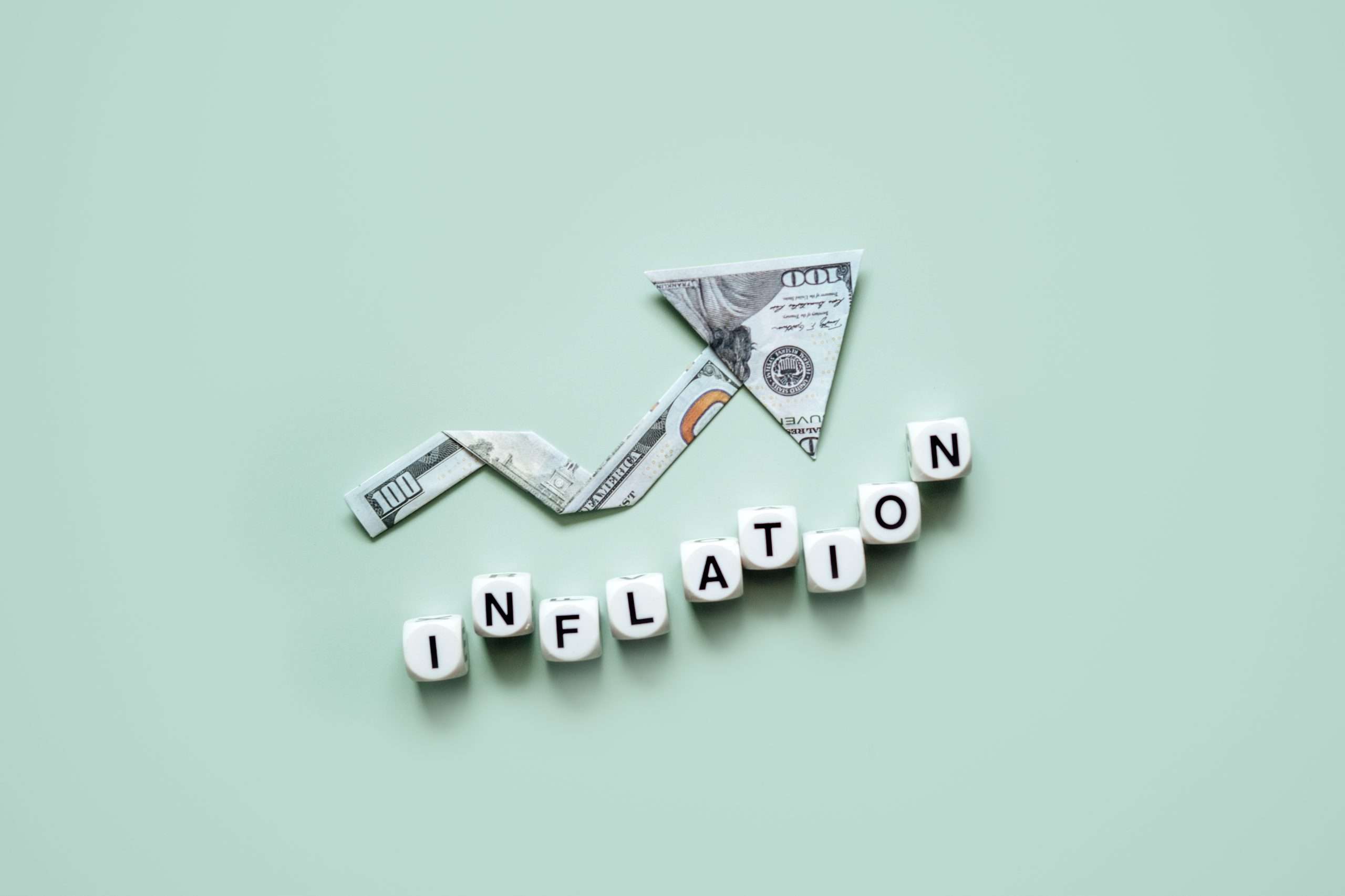
FacebookTweetLinkedInEmailPrint Inflation is affecting nearly every part of the economy, and insurance is no exception.Many homeowners, business owners, and policyholders have noticed rising premiums, but fewer understand how inflation is also impacting the coverage itself.At its core, insurance is a promise to repair, replace, or compensate for loss.
When the cost of those repairs or replacements increases, the cost of insurance and the amount of coverage needed must adjust as well.Understanding how inflation affects insurance coverage can help you avoid gaps in protection and make better decisions about your policies.Why Inflation Impacts Insurance Coverage Inflation affects insurance because it increases the cost of claims.
When insurers pay out claims, they must cover the current cost of labor, materials, and services, not what those costs were years ago.For example: Economic data from the Federal Reserve shows consistent increases in construction-related costs over time, which directly impacts the cost of rebuilding homes after a loss. As these costs rise, insurers must adjust both premiums and coverage limits to reflect the new reality.How Inflation Drives Higher Insurance Premiums One of the most visible effects of inflation is higher premiums.
Insurance companies calculate premiums based on expected future claim costs.When those costs increase, premiums typically follow.In recent years, some insurance categories have experienced significant increases, even for policyholders who have not filed claims.
According to the U.S.Department of the Treasury, homeowners insurance premiums increased on average 8.7 percent faster than inflation between 2018 and 2022, driven by rising claim costs and risk exposure. This means many homeowners are paying more not because of individual claims, but because of broader economic and environmental factors.The Hidden Risk of Being Underinsured One of the most important but overlooked effects of inflation is underinsurance.
If your coverage limits were set several years ago, they may no longer reflect the true cost to repair or rebuild your home or replace your belongings today.For example: Policy research shows that rising costs are not only increasing premiums but also reducing the real value of coverage if limits are not adjusted accordingly. When a policy does not keep pace with inflation, it creates a gap between what your insurance will pay and what you actually need after a loss.Inflation and Replacement Cost vs Actual Cash Value Inflation also highlights the importance of how your policy values losses.
Two common valuation methods include: During periods of inflation, replacement cost coverage becomes especially important because it reflects current market prices.Actual cash value policies may leave you with significantly less than what it costs to replace items today.Choosing the right valuation method can make a major difference in how well your policy protects you.
How Inflation Affects Different Types of Insurance Inflation impacts nearly every type of insurance, though the effects can vary.Homeowners Insurance Inflation increases the cost of rebuilding homes due to rising prices for materials and labor.As a result, homeowners may need higher coverage limits, and insurers may raise premiums to keep up with claim costs.
Government data shows that insurance costs are rising nationwide and are becoming harder to obtain in some regions due to increasing losses and economic pressures. Auto Insurance Vehicle repair costs have risen significantly due to more expensive parts, advanced technology, and labor shortages.According to U.S.Bureau of Labor Statistics data, motor vehicle maintenance and repair costs have increased substantially over time, with some periods showing double-digit annual increases in repair costs. Additionally, long-term data shows that car repair costs have nearly tripled since the late 1990s, reflecting sustained inflation in this category. These rising costs increase claim payouts, which insurers factor into premium pricing.
Business Insurance For businesses, inflation affects: Rising legal costs and larger settlements have also contributed to higher liability exposure.The Lag Effect: Why Premium Increases Feel Delayed One important factor many people do not realize is that insurance pricing often lags behind inflation.Insurance companies must: Because of this process, premium increases may appear months or even years after the underlying inflation occurred.
Research shows that insurance premiums often lag inflation by 6 to 24 months, depending on the type of insurance and regulatory environment. This delay can make increases feel sudden, even though they are tied to earlier economic changes.What Policyholders Can Do While inflation is outside your control, there are steps you can take to make sure your coverage keeps up.Review Your Coverage Regularly At least once a year, review your policy to ensure your limits reflect current replacement costs.
Consider Inflation Guard Endorsements Some policies include automatic adjustments that increase coverage limits over time to keep pace with inflation.Reevaluate Deductibles and Discounts Adjusting deductibles or taking advantage of available discounts can help manage rising premiums.Work with an Insurance Professional An experienced advisor can help you evaluate whether your coverage still matches your needs in a changing economic environment.
Why This Matters Long Term Inflation does more than raise premiums.It reshapes the entire insurance landscape by increasing claim costs, changing risk calculations, and affecting how coverage is structured.Over time, policyholders who do not adjust their coverage may find themselves underinsured or paying out of pocket for losses they assumed were covered.
Staying proactive ensures that your insurance continues to serve its purpose: protecting your financial stability when unexpected events occur.Final Thoughts Inflation is one of the most important factors influencing insurance today.It affects not only what you pay for coverage, but also how much protection your policy actually provides.
Understanding how inflation affects insurance coverage helps you make informed decisions, avoid coverage gaps, and ensure your policy keeps pace with real-world costs.Frequently Asked Questions How does inflation affect insurance coverage? Inflation increases the cost of claims, which leads to higher premiums and may require higher coverage limits to maintain adequate protection.Why are insurance premiums increasing even if I haven’t filed a claim? Premiums are based on overall claim trends, rising costs, and economic factors across the industry, not just individual claims.
What is inflation guard in insurance? Inflation guard is a policy feature that automatically increases your coverage limits over time to keep pace with rising costs.Can inflation cause underinsurance? Yes.If your coverage limits do not increase with rising costs, your policy may not fully cover the cost of rebuilding or replacing your property after a loss.
FacebookTweetLinkedInEmailPrint
Disclaimer: This story is auto-aggregated by a computer program and has not been created or edited by Health Insurance USA.
Publisher: InsuranceHub
Publisher: InsuranceHub